The Common Denominator of Desire
Brand premium = shared-desire density × sign conversion × shelf coverage

In 1945, an economist named R. A. Radford published a modest paper, The Economic Organisation of a P.O.W. Camp. Stationed in an Allied prison camp during the Second World War, he noticed something odd. The Red Cross issued identical parcels to every prisoner — fifteen cigarettes apiece, a few bars of chocolate, some biscuits. The supplies were scarce and the assortment identical. Yet before long, a spontaneous order emerged: cigarettes traded for food, food for stamps, sewing kits for salt. Canned pork became the camp's hard currency, commanding the best exchange rate, while soap sank in value — prisoners figured soap had substitutes, but meat did not.
Identical rations, identical men. So why did a market spring up on its own?
Radford's answer: people value things differently. The same bar of chocolate is a treat to a man with a sweet tooth — and near-life-support to a smoker. But there is a deeper question: why was exchange possible at all? Every prisoner knew the others were hungry too. Every prisoner knew the Dutchman didn't actually smoke, yet would happily trade bread for your Marlboros. The trade only works because both sides share one quiet conviction — that your cigarettes and my bread can, at some moment, be weighed on the same scale.
That shared conviction is the source code of commerce. I call it the common denominator of desire.
Jung's "collective unconscious" shows you what humanity's deep structure looks like — it just never tells you what to do with it. The common denominator of desire asks something else: in a commercial context, can you locate that layer of human nature, switch it on, and rework it into a product people will pay for?
One is a map of the world. The other is a compass for changing it.
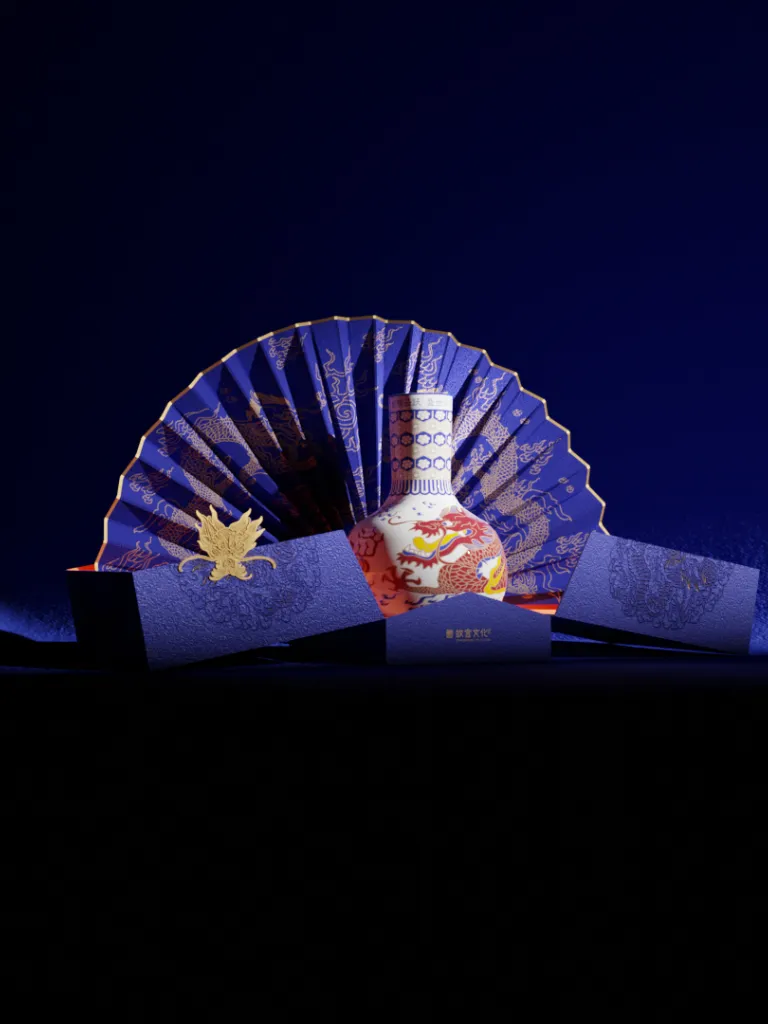
Take the lipstick. Same red on your lips whether the Palace Museum makes it or Perfect Diary does. Yet the Palace one sells for ¥499 and Perfect Diary's for ¥49. The extra ¥450 isn't buying color. It's buying what the color carries: a lotus motif etched into the case that says, at a glance, this came from the Palace.
You're not buying a lipstick. You're buying the feeling of deserving a piece of the Palace.
Products meet needs. Motives close the sale. And beneath every motive sits a structure you can actually locate — I call it the common denominator of desire.

First, What It Is Not
Nothing to do with Jung — and nothing to do with mysticism.
The moment "human nature" comes up, people reach for Jung's collective unconscious, or the Heart Sutra, or Lu Dongbin, or The Secret of the Golden Flower. It looks profound; you finish reading and have no idea what to do tomorrow morning. Jung's collective unconscious is descriptive — a shared mental inheritance, millions of years of collective memory. It tells you what the world is like.
It does not tell you how to run tomorrow's business.
The common denominator of desire is prescriptive.
In a commercial context you can locate it (which layer?), switch it on (which sign?), and build it into a product (how?).
One man draws the map. The other hands you a compass and starts walking.